How to Report a Romance Scammer (and What to Do Next)
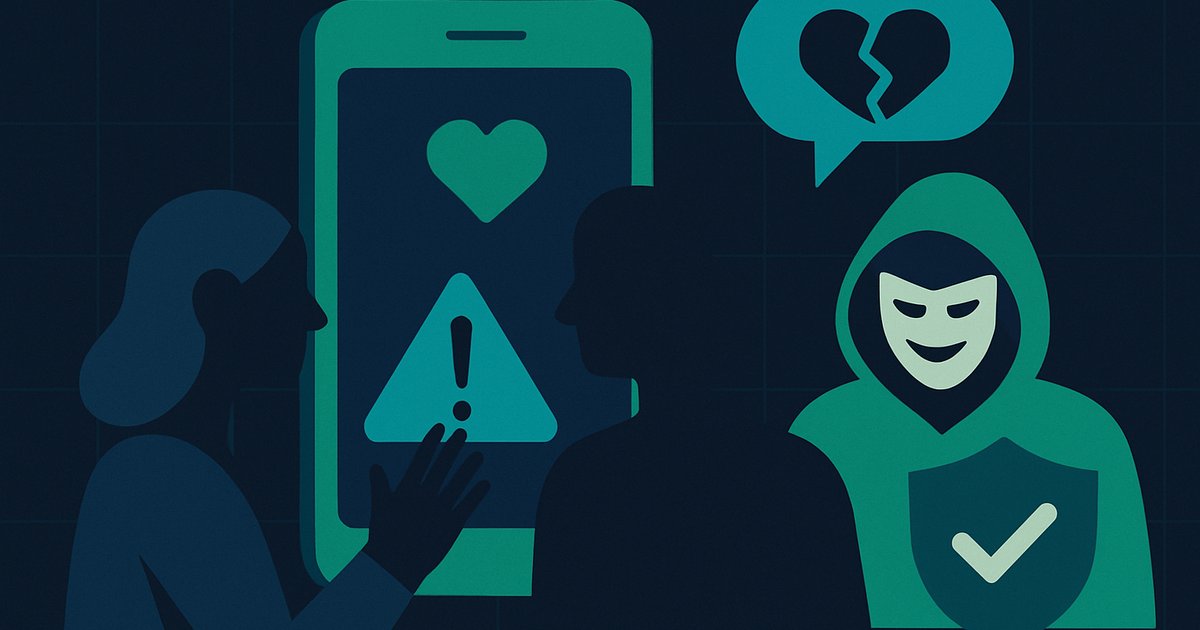
Finding out that the person you've been talking to for weeks or months — the one who called you "babe," remembered your dog's birthday, and promised to visit "as soon as this next contract clears" — isn't real is a gut-punch. It's not just financial loss. It's grief for a relationship that never existed.
If you're here because you suspect (or already know) you've been targeted by a romance scammer, this guide walks through exactly where to report it, what evidence to gather before you do, how to try to recover any money sent, and how to protect yourself going forward.
First: Stop Contact and Secure Yourself
Before you file a single report, take these immediate steps:
- Stop all communication with the scammer. Don't confront them or tell them you're reporting them — this often triggers them to delete accounts and disappear, taking evidence with them.
- Don't send any more money, gift cards, cryptocurrency, or personal information, even if they claim it's an emergency.
- Change your passwords on any accounts the scammer may have had access to, especially email, banking apps, and dating platforms.
- Take screenshots now of everything, before profiles or messages disappear.
Once you're secure, it's time to report — and reporting in multiple places actually matters, because each agency plays a different role.
Where to Report a Romance Scammer
1. The FBI's Internet Crime Complaint Center (IC3)
In the U.S., the FBI's Internet Crime Complaint Center (IC3) is the primary federal channel for reporting online fraud, including romance scams. Filing a report at ic3.gov helps law enforcement track patterns, connect cases across victims, and potentially build cases against organized scam networks — many romance scams today are run by large-scale operations sometimes referred to as "pig butchering" schemes rather than lone individuals.
IC3 won't typically give you a personal follow-up on your specific case, but your report becomes part of a larger intelligence picture that helps investigators identify repeat offenders and international scam rings.
2. The Federal Trade Commission (FTC)
The FTC collects consumer fraud reports through ReportFraud.ftc.gov. While the FTC doesn't resolve individual disputes either, its data feeds directly into consumer protection enforcement and is shared with other law enforcement agencies. Reporting here also helps the FTC track scam trends and warn the public.
3. The Platform Where You Met the Scammer
Whether it was a dating app, Instagram, Facebook, WhatsApp, or a random text message, report the scammer's profile directly to the platform. Most dating apps and social networks have a "Report" or "Block" function built into profiles and chat threads. This can get the scammer's account suspended and may prevent them from targeting other users with the same profile.
4. Your Local Police or Fraud Reporting Agency
Depending on where you live, there may be a dedicated fraud-reporting body. For example, in the UK, Action Fraud (Report Fraud) is the national reporting center for romance fraud and other cyber-enabled crimes. In Canada, local police services — such as the Edmonton Police Service — actively track romance scam losses in their communities and encourage victims to file local reports, since some scammers escalate from online-only contact to in-person relationships or even moving in with victims to deepen the con.
Filing locally can matter even if the scammer is overseas, because it creates an official record you may need for insurance, credit disputes, or civil claims.
5. Your Bank or Payment Provider
If you sent money via bank transfer, wire, gift card, or cryptocurrency, contact your bank or the payment service immediately. Speed matters — some transfers can be flagged, frozen, or reversed within a narrow window, especially wire transfers caught within 24–48 hours.
Evidence to Collect Before You Report
The more documentation you provide, the more useful your report is to investigators — and the better your chances if you pursue fund recovery. Before accounts get deleted or deactivated, gather:
- Full conversation history — screenshots or exports of texts, DMs, emails, and app chats
- Profile information — screenshots of the scammer's profile, photos, username, and any linked accounts
- Financial records — receipts, transfer confirmations, wire details, crypto wallet addresses, gift card codes
- Any phone numbers, email addresses, or aliases used
- Photos they sent you — these are often stolen from real people and can sometimes be reverse-image-searched to prove the profile was fake
- Details of the story they told you — job, location, "emergency," excuses for not video-calling — patterns investigators look for across cases
Keep everything in one folder, and don't rely on the platform alone to preserve it — accounts and messages can vanish the moment a scammer feels exposed.
Can You Get Your Money Back?
It's a hard truth: full recovery is uncommon, especially once money has moved through wire transfers or cryptocurrency and left the country. That said, there are steps worth taking:
- Contact your bank immediately if you paid by bank transfer or card — some transactions can be disputed or reversed, particularly if reported quickly.
- Report to the gift card issuer if that's how you paid — some companies can flag and freeze unredeemed balances.
- Check with your bank about wire recall requests — international wires are hard to reverse but not always impossible within the first day or two.
- Be wary of "recovery services" that contact you after a scam promising to get your money back for an upfront fee. This is an extremely common secondary scam that targets people who've already been victimized once.
Realistically, your reports to IC3, the FTC, and local police matter more for stopping the scammer from hurting others — and for building the broader case against these networks — than for guaranteeing your own money's return.
Protecting Yourself Going Forward
Romance scams work because they're built on patience and emotional manipulation, not obvious red flags. Common tactics include:
- Moving conversations off the dating platform quickly (to WhatsApp, email, or texting)
- Professing strong feelings unusually fast
- Avoiding video calls or always having a reason why they "can't" meet in person
- Claiming to be overseas for work — military, oil rigs, international business, or medical missions are common cover stories
- Eventually introducing a financial "opportunity" or emergency — investment schemes, customs fees, medical bills, or travel costs
- Creating urgency and asking for secrecy ("don't tell your family, they won't understand")
If someone you're talking to online checks several of these boxes, slow down. Ask for a live, unedited video call. Reverse-search their photos. Talk to a trusted friend or family member before sending any money — scammers often specifically ask victims to keep the relationship private because outside perspective is their biggest threat.
The Bottom Line
Reporting a romance scammer isn't just paperwork — it's a real part of stopping these networks and protecting the next potential victim. File with IC3 and the FTC if you're in the U.S. (or your country's equivalent fraud reporting body), report the profile to the platform, notify your bank, and go to local police if money changed hands. Keep every screenshot and record you can before accounts disappear.
And be gentle with yourself. These scams are run by professional manipulators who study human psychology and rehearse their scripts on hundreds of targets. Falling for one isn't a reflection of your intelligence — it's a reflection of how sophisticated and calculated this kind of fraud has become.
Skip the manual digging. Proofile compiles a full public-data dossier on anyone in minutes: social profiles, photos, work history, and red flags. Run a free search on Proofile and see what's out there before you meet.
Don't just read about it, do it.
Proofile builds a full public-data dossier on anyone in minutes: social profiles, photos, work history, and red flags. They are never notified.
Run a free search →