What Is a Pig Butchering Scam? How This Crypto-Romance Fraud Works and How to Avoid It
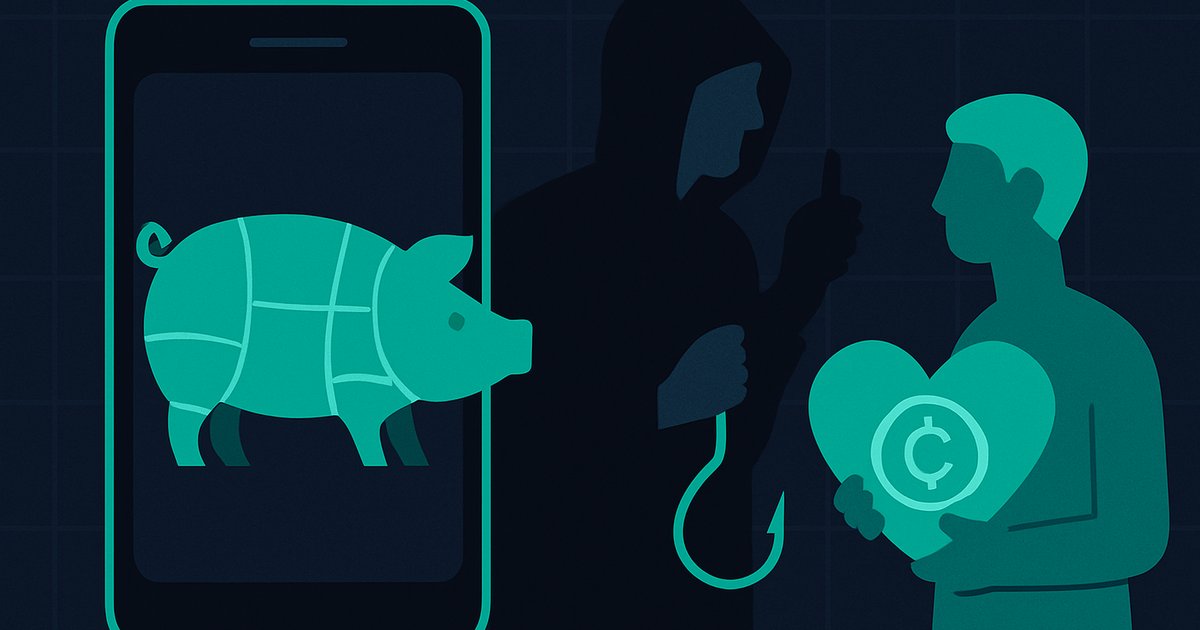
If you've spent any time on [dating](https://proofile.ai/blog/how-to-avoid-getting-scammed-on-dating-apps) apps, LinkedIn, WhatsApp, or even a wrong-number text message in the last few years, you may have brushed up against a pig butchering scam without realizing it. The name sounds strange, but the concept is simple and brutal: a scammer "fattens up" a victim with attention, affection, and fake investment wins before "butchering" them — draining their savings through a fraudulent crypto platform.
This article breaks down exactly what a pig butchering scam is, how the fraud unfolds step by step, what recent loss data tells us about its scale, the red flags to watch for, and how to actually verify whether the person you're talking to is real before you send them a single dollar.
What Is a Pig Butchering Scam?
A pig butchering scam is a long-con hybrid of romance fraud and investment fraud. According to California's Department of Financial Protection and Innovation (DFPI), it's an investment scam in which fraudsters spend weeks or months building trust with a victim — often through a romantic or friendly online relationship — before convincing them to put money into a fake investment platform, almost always tied to cryptocurrency.
The term itself is a translation of the Chinese phrase shā zhū pán ("kill pig plate"), a reference to fattening a pig before slaughter. As Wikipedia's entry on the scam notes, the term describes the way perpetrators cultivate a relationship with a target over time, building emotional trust before persuading them to invest — the "fattening" — right up until the moment the scammer takes everything and disappears — the "butchering." Law enforcement agencies have recently started using a less graphic term, "romance baiting," to describe the same tactic, but the mechanics haven't changed.
These scams are commonplace on dating apps, social media platforms, and messaging apps, and they frequently blend three types of fraud into one operation: catfishing (fake identity), romance scamming (fake relationship), and investment fraud (fake returns).
Where It Started and Why It's Growing
Pig butchering scams are widely linked to organized criminal operations based in parts of Southeast Asia, where investigators and journalists have documented scam compounds employing thousands of trafficked or coerced workers running these schemes at industrial scale. What began as a regional problem has become a global one, fueled by the anonymity of cryptocurrency, the reach of social media, and the ease of running dozens of fake personas simultaneously.
Because crypto transactions are largely irreversible and difficult to trace across borders, they're the perfect vehicle for this kind of fraud — once the money moves into a scammer-controlled wallet, it's essentially gone.
How the Scam Works, Step by Step
Pig butchering scams follow a remarkably consistent playbook. Recognizing each stage is the best defense.
1. The Approach
Contact usually starts in a place that feels low-stakes: a dating app match, a friendly text that claims to be a "wrong number," a LinkedIn connection request, or a comment on social media. The scammer's profile typically uses attractive stolen photos and a polished, successful-sounding backstory (finance professional, business owner, world traveler).
2. Building Trust
This is the "fattening" phase, and it can last weeks or even months. The scammer moves conversation off the original platform and onto apps like WhatsApp or Telegram quickly. They message constantly, express deep interest in the victim's life, and slowly build what feels like a genuine friendship or romance — all without ever agreeing to a video call or in-person meeting.
3. Introducing the "Opportunity"
Once trust is established, the scammer casually mentions how well they (or a relative, or a "trading mentor") are doing with cryptocurrency investing. They present themselves as reluctant to share the secret, which makes the offer feel more exclusive and less like a pitch.
4. The Fake Platform
The victim is guided to download an app or visit a website that looks like a legitimate crypto exchange or trading platform. In reality, it's a fraudulent site controlled entirely by the scam operation. As the New York Attorney General's office describes it, the scammer gains the victim's trust and then convinces them to send money for "investments" on this platform.
5. Small Wins
Early "investments" are often small, and the platform shows fabricated gains almost immediately. Some victims are even allowed to withdraw a small profit — a deliberate tactic to eliminate doubt and encourage much larger deposits.
6. Escalation
Confidence grows, and so do the amounts. Victims are encouraged to invest their savings, retirement accounts, home equity, or even take out loans. Some victims are told they need to pay additional "taxes," "fees," or "verification deposits" to unlock withdrawals — a classic sign of the trap tightening.
7. The Butcher
Eventually, the victim tries to withdraw funds and cannot. The platform freezes the account, demands more money to release it, or simply goes offline. The romantic partner disappears, blocks all contact, or vanishes along with the fake identity.
How Big Is the Problem? What the Data Shows
Investment scams involving cryptocurrency — the category that includes pig butchering — have become one of the costliest fraud types tracked by U.S. regulators. The Federal Trade Commission has reported that investment-related fraud, much of it tied to crypto and often initiated through romance or social media contact, results in the highest individual dollar losses of any scam category reported to the agency. Victims frequently lose tens of thousands of dollars each, and cases involving six-figure losses are not uncommon, since the scam is specifically engineered to escalate investment amounts over time rather than extract a single quick payment.
Romance-initiated investment fraud also skews toward higher losses per victim compared to other scam types, because the emotional relationship lowers a target's guard over weeks or months, allowing scammers to extract far more money than a one-time phishing attempt ever could. Regulators including the DFPI and state attorneys general have flagged pig butchering as a growing enforcement priority precisely because of this outsized financial impact.
Red Flags of a Pig Butchering Scam
Watch for these warning signs, especially in combination:
- Unsolicited contact — a match, follow, text, or connection request from someone you don't know, especially a "wrong number" text that turns into a conversation.
- Fast move to another app — pushing the conversation from the dating app or social platform to WhatsApp, Telegram, or Signal almost immediately.
- Refusal to video call or meet — endless excuses about time zones, work travel, or bad internet.
- A polished, almost too-perfect persona — attractive photos, a lucrative career, frequent travel, and a story that conveniently explains why they're always "busy."
- Slow-burn relationship building — weeks of daily messages establishing emotional intimacy before money or investing is ever mentioned.
- Unprompted investment talk — bringing up their own crypto success, often framed as accidental or reluctant.
- Pressure to download a specific app or use a specific "exclusive" platform — rather than a well-known, regulated exchange.
- Fake but convincing account dashboards — showing steady, suspiciously smooth gains.
- Fees required to withdraw funds — any legitimate platform never charges you extra money to release your own money.
- Urgency and secrecy — being told to act fast, keep the opportunity quiet, or trust them over friends and family who raise concerns.
How to Verify Who You're Actually Talking To
Because the entire scam depends on a fabricated identity, verification is your single most powerful defense. Before you trust — let alone send money to — anyone you've only met online, take these steps:
1. Reverse image search their photos. Save their profile pictures and run them through a reverse image search tool. Stolen photos of models, fitness influencers, or unrelated professionals are extremely common in these scams.
2. Insist on a live video call. Ask for a spontaneous video chat, not a prerecorded clip. Scammers running multiple targets at once often can't or won't do this convincingly.
3. Cross-check their story. Search their claimed employer, job title, and location. Does a real LinkedIn profile with a consistent work history and mutual connections exist, or does the digital footprint feel thin and recently created?
4. Verify the investment platform independently. Search the exchange or app name along with words like "scam" or "review," and check whether it's registered with financial regulators in your country. A platform that only your online contact recommends — and that isn't listed on any major regulatory registry — is a major red flag.
5. Never treat "fees to unlock funds" as normal. Legitimate exchanges do not charge additional payments before you can withdraw your own money.
6. Use a dedicated verification service before you get emotionally or financially involved. This is exactly the gap tools like Proofile are built to close — helping you check whether the person behind a profile, phone number, or set of photos matches a real, verifiable identity before you build trust with them, rather than after you've already lost money. A few minutes of verification up front can save months of manipulation and a devastating financial loss.
7. Talk to someone you trust. Scammers deliberately isolate victims and discourage them from discussing the "opportunity" with friends, family, or financial advisors. If someone urges secrecy, treat that as a warning sign in itself, and run the situation by a person outside the relationship.
What to Do If You Think You've Been Targeted
If you've sent money or shared personal financial information with someone you suspect is running a pig butchering scam:
- Stop sending any further money immediately, even if you're told more funds are needed to "unlock" a withdrawal.
- Cut off contact and preserve all messages, transaction records, and platform screenshots as evidence.
- Report it to the FTC at ReportFraud.ftc.gov, the FBI's Internet Crime Complaint Center (IC3), and your state's financial regulator or attorney general's office (in California, that's the DFPI).
- Contact your bank or the crypto exchange you used to send funds — recovery isn't guaranteed, but early reporting improves the odds.
- Consider a credit freeze if any personal identifying information was shared with the scammer.
The Bottom Line
A pig butchering scam works because it's patient, personal, and designed to feel like the opposite of a scam — a genuine relationship and a lucrative opportunity, both earned slowly instead of handed over instantly. That patience is exactly why skepticism has to be built in from the very first message. Verify identities before you invest emotional or financial trust, be wary of any relationship that leads toward crypto investing, and remember: real financial opportunities never require secrecy, urgency, or a fee just to access your own money.
Skip the manual digging. Proofile compiles a full public-data dossier on anyone in minutes: social profiles, photos, work history, and red flags. Run a free search on Proofile and see what's out there before you meet.
Don't just read about it, do it.
Proofile builds a full public-data dossier on anyone in minutes: social profiles, photos, work history, and red flags. They are never notified.
Run a free search →