Romance Scammer Red Flags: How to Spot One Before You Lose Money
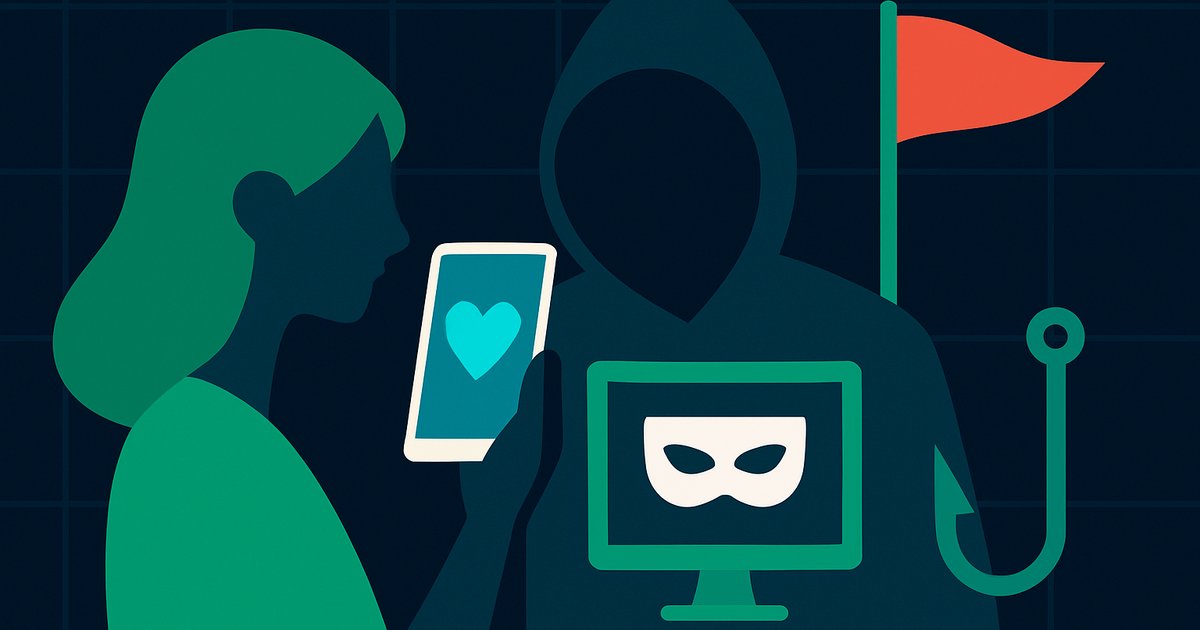
Looking for love online? You're not alone—and unfortunately, neither are the scammers targeting vulnerable hearts and wallets. Romance scams have become a billion-dollar criminal industry, leaving victims financially devastated and emotionally shattered.
According to the Federal Trade Commission, Americans reported losing a staggering $1.14 billion to romance scams in 2023 alone. These losses continue to climb as scammers become more sophisticated, making it crucial to recognize romance scammer red flags before you become the next victim.
The Anatomy of a Romance Scam
Romance scammers follow a predictable playbook designed to exploit your emotions and drain your bank account. Understanding their tactics is your first line of defense.
The Fast-Forward to Forever
The most common romance scammer red flag is the speed at which the relationship progresses. Within days—sometimes even hours—a scammer will:
- Profess deep feelings or claim you're "soulmates"
- Talk about marriage, meeting your family, or having children together
- Create an intense emotional bond that feels almost too good to be true
Real relationships develop gradually. Scammers rush because they need to establish emotional control before you start asking questions. If someone is planning your wedding before you've had your first video call, step back and reassess.
Love Bombing and Constant Contact
Scammers overwhelm you with attention, affection, and flattery. They message constantly, shower you with compliments, and make you feel like the center of their universe. This technique, called "love bombing," creates an addictive emotional high that clouds your judgment.
Red flags include:
- Messages first thing in the morning and last thing at night
- Excessive compliments, especially about your photos
- Declaring you're "different from everyone else" they've met
The Profile That's Too Perfect
According to dating scam experts in 2024, scammers carefully craft profiles to match what you're looking for. They mirror your interests, values, and relationship goals with uncanny precision. Common characteristics include:
- Unusually attractive profile photos (often stolen from models or other social media accounts)
- Vague job descriptions, often claiming to be engineers, military personnel, doctors, or working overseas
- Interests and hobbies that perfectly align with yours
- Life goals that match what you've expressed wanting
This isn't fate or cosmic compatibility—it's calculated manipulation.
The Avoidance Dance
When you suggest meeting in person or switching to video chat, scammers always have an excuse:
- They're working on an oil rig, deployed overseas, or traveling for business
- Their camera is broken, or internet connection is too poor for video
- They promise to meet soon but plans always fall through at the last minute
Ask direct questions about their life, location, or work, and you'll get vague, evasive answers. Charm replaces facts because there are no facts to share.
The Instant Trauma Bond
Many scammers share a sob story early in the conversation—a recent death in the family, a serious illness, a stalker ex, or a traumatic event. This serves multiple purposes:
- It generates sympathy and makes you want to support them
- It explains why they can't video chat or meet (they're "too vulnerable")
- It creates an emotional bond where you feel protective of them
According to the Federal Trade Commission's 2025 guidance, this manufactured vulnerability is one of the most effective manipulation tactics scammers use.
The Platform Switch
Legitimate dating apps have fraud detection systems. Scammers know this and will quickly suggest moving your conversation to WhatsApp, Telegram, Google Hangouts, or direct email. Once off the dating platform, there's no oversight and no way to report them easily.
If someone you've just met pushes to move to a different communication channel within the first few conversations, consider it a major warning sign.
When the Ask Comes: The Money Trap
Once a scammer has established trust and emotional dependency, the requests for money begin. These typically follow predictable patterns:
The Sudden Emergency
After weeks or months of conversation, a crisis emerges:
- Medical emergency for themselves or a family member
- Unexpected legal fees or taxes
- Money needed to complete a work contract
- Funds to buy a plane ticket to finally meet you
The request is always urgent, the amount initially "small" (to test your willingness), and the promise to repay immediate.
The Cryptocurrency Scheme
A growing number of romance scams now involve cryptocurrency investment schemes. The scammer:
- Mentions their success with crypto investing
- Offers to help you invest or make money together
- Directs you to a fake investment platform they control
- Shows you false gains to encourage larger investments
According to the Federal Trade Commission, crypto romance scams resulted in median losses of $10,000 per victim in 2023—significantly higher than other romance scam types.
The Gift Card Request
Scammers often ask for payment via gift cards, wire transfers, cryptocurrency, or payment apps—methods that are difficult or impossible to reverse. They may claim:
- Their bank account is frozen or inaccessible
- They need iTunes, Amazon, or Steam gift cards for a specific reason
- A wire transfer is the fastest way to solve their emergency
No legitimate romantic partner will ask you to send gift cards. This is always a scam.
How to Verify Someone's Identity
Before you develop deep feelings or send any money, take these verification steps:
Reverse Image Search
Upload their profile photos to Google Images or use tools like TinEye to see if the photos appear elsewhere online. Scammers frequently steal photos from models, influencers, or other social media users.
Video Chat Immediately
Insist on a video call early in your communication. Don't accept excuses about broken cameras or poor internet—even developing countries have internet cafes with video capability. If they consistently refuse, you're likely dealing with a scammer.
Check Their Story for Consistency
Keep track of details they share. Scammers juggle multiple victims and often contradict themselves about their location, job, family, or background. Screenshot important claims and reference them later.
Search Their Name and Details
Look up their name, job, and location. Does their professional profile exist? Can you find them on LinkedIn? Do their claims about their work or location make sense?
Trust Your Instincts
If something feels off, it probably is. Don't let embarrassment or the desire for love override your common sense. According to 2024 research on dating scams, many victims reported having doubts early on but ignored them because they wanted the relationship to be real.
What to Do If You've Been Targeted
If you suspect you're communicating with a romance scammer:
Stop All Communication Immediately
Cut off contact completely. Don't give them a chance to manipulate you further or explain away your concerns. Block them on all platforms.
Don't Send Money
If you haven't sent money yet, don't start. If they've asked for money but you haven't complied, you've avoided the worst financial damage.
Report the Scammer
File reports with:
- The Federal Trade Commission at ReportFraud.ftc.gov
- The dating app or social media platform where you met
- The FBI's Internet Crime Complaint Center (IC3) at ic3.gov
Your report helps authorities track scammer networks and potentially prevent others from being victimized.
Gather Evidence
Before you block them, take screenshots of:
- Their profile
- Your conversations
- Any photos they've sent
- Payment requests or financial discussions
This documentation is crucial for reports and potential recovery efforts.
Contact Your Financial Institutions
If you've sent money:
- Contact your bank or credit card company immediately to report fraud
- If you used a wire transfer service, contact them to attempt a reversal
- Report gift card scams to the company that issued the cards
- If you sent cryptocurrency, report it to the exchange platform
While recovery is difficult, acting quickly gives you the best chance.
Seek Support
Romance scam victims often experience shame, embarrassment, and emotional trauma. Remember that these are sophisticated criminals running practiced operations—being victimized doesn't reflect on your intelligence or worth.
Consider:
- Talking to a therapist, especially one experienced with fraud victims
- Joining online support groups for romance scam survivors
- Confiding in trusted friends or family members
The emotional recovery from a romance scam can be as important as the financial aspects.
Protecting Yourself Moving Forward
Online dating can lead to genuine connections, but protecting yourself requires vigilance:
- Go slow: Healthy relationships develop over time, not days
- Keep conversations on the platform: Stay where there's oversight until you've verified someone's identity
- Never send money: No matter how compelling the story, don't send money to someone you haven't met in person
- Video chat early and often: Make this a non-negotiable requirement
- Tell someone: Share details about new online relationships with friends or family who can offer objective perspectives
- Trust but verify: It's not cynical to verify someone's identity—it's smart
According to the Federal Trade Commission's 2025 data, awareness and early verification are the most effective defenses against romance scams.
The Bottom Line
Romance scammer red flags are consistent and recognizable once you know what to look for: rushed intimacy, avoidance of video calls, vague personal details, sob stories, and eventually, requests for money. The FTC reports that median losses continue to climb, with many victims losing their entire savings.
Love should never come with a price tag, and genuine partners will understand your need to verify their identity. If someone truly cares about you, they'll respect your boundaries and take time to build trust properly.
Stay alert, trust your instincts, and remember: if it feels too good to be true, it probably is. Your heart—and your wallet—deserve protection.
Have you encountered suspicious behavior in online dating? Report it to the FTC and warn others. Sharing information about romance scam tactics helps protect the entire online dating community.
Skip the manual digging. Proofile compiles a full public-data dossier on anyone in minutes: social profiles, photos, work history, and red flags. Run a free search on Proofile and see what's out there before you meet.
Don't just read about it, do it.
Proofile builds a full public-data dossier on anyone in minutes: social profiles, photos, work history, and red flags. They are never notified.
Run a free search →