How to Vet a Business Partner Before You Sign Anything
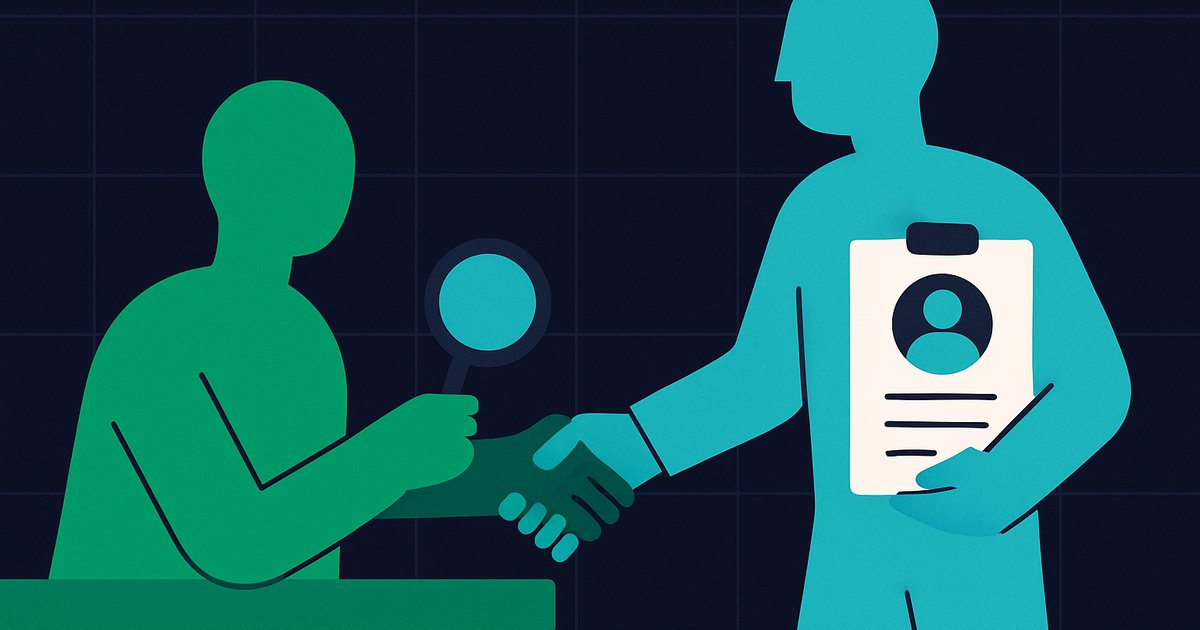
Choosing a business partner is one of the highest-stakes decisions you'll make as a founder — arguably riskier than picking a spouse, because you're also merging finances, liabilities, and reputations. Yet many entrepreneurs still vet partners less rigorously than they'd vet a $40,000 car purchase.
Gerri Detweiler, writing for Nav in April 2025, tells the story of Susan Nilon, a founder who cycled through several rocky partnerships before learning to slow down and actually investigate the people she was about to go into business with. Her lesson, echoed across small-business forums and by veteran founders on LinkedIn with decades of experience across dozens of ventures, is the same one this guide is built around: excitement about a business idea is not a substitute for due diligence.
Below is a practical framework for how to vet a business partner — covering corporate filings, litigation history, credit signals, reference checks, and the red flags that should make you slow down or walk away.
Why Partner Vetting Deserves the Same Rigor as Hiring or Investing
A business partner can bind your company to contracts, incur debt in its name, and directly affect your personal liability depending on your entity structure. Unlike an employee, a bad partner can't simply be fired — unwinding a partnership often requires buyouts, litigation, or dissolving the entity entirely.
The Hartford's 2025 overview of partner vetting frames this well: the right partner adds value and smooths your path to growth, while the wrong one can create legal exposure, drain cash, and damage the culture you've worked to build. Treat vetting as a formal process with documentation, not a gut-check conversation over coffee.
Start With Corporate Filings and Business History
Before you evaluate someone's character, verify the paper trail of their business dealings.
- Secretary of State records: Search every state where your prospective partner has formed or operated an entity. Look for administrative dissolutions, revoked status, or a pattern of forming and abandoning companies.
- UCC filings: A Uniform Commercial Code search reveals outstanding liens against a person's business assets — a sign of unpaid debts to lenders or suppliers.
- Business registration consistency: Compare what a prospective partner tells you about their business history against what's actually on file. Gaps, undisclosed entities, or name variations used to obscure a trail are worth questioning directly.
- Professional licenses: If their background involves a licensed profession (real estate, financial services, contracting), confirm the license is active and check for disciplinary actions with the relevant state board.
This step is easy to skip because it feels bureaucratic, but it's often where inconsistencies first surface — long before a personality clash or missed deadline would ever tip you off.
Search Litigation History for Patterns, Not Just Incidents
One lawsuit isn't automatically disqualifying — business disputes happen, and litigation is sometimes simply the cost of operating. What matters is the pattern.
When reviewing court records (available through state court databases, PACER for federal cases, and litigation-focused background services), look for:
- Frequency: Is this a one-off dispute or a recurring pattern of being sued by partners, vendors, or employees?
- Type of claims: Breach of contract is different from allegations of fraud, embezzlement, or breach of fiduciary duty. The latter category should raise serious concern.
- Outcomes: Did the case settle, go to judgment, or get dismissed? A string of settlements can sometimes indicate someone who avoids scrutiny by paying to make problems disappear.
- Bankruptcy filings: Personal or business bankruptcies aren't necessarily deal-breakers, but understanding the circumstances — and whether the pattern repeats — is essential context.
If a candidate has been a defendant in multiple partner or investor disputes, ask directly about each one. How they explain past conflicts — with accountability or with blame — tells you almost as much as the filings themselves.
Check Credit Signals as a Proxy for Financial Discipline
Nav's April 2025 guide makes a strong case for running credit and background checks as a standard part of vetting, and the logic holds up: how someone manages their own financial obligations is a reasonable predictor of how they'll manage the business's money.
With the prospective partner's consent, a credit check can surface:
- Outstanding collections, judgments, or tax liens
- High credit utilization or a pattern of late payments
- Recent bankruptcy filings
- A business credit profile showing how they've paid vendors and lenders in prior ventures
You're not looking for a perfect score — many capable entrepreneurs have messy credit history from past ventures that didn't work out. You're looking for whether they're transparent about it and whether the underlying pattern suggests chronic financial mismanagement versus a one-time setback.
Do Structured Reference Checks — Not Just Friendly Chats
Most people ask a prospective partner for references and then have a pleasant, unstructured phone call. That's not vetting; that's small talk. Real reference checks require a plan.
Who to call:
- Former business partners or co-founders (especially ones the candidate didn't proactively offer as references)
- Past employees, particularly people who've left the company
- Vendors, suppliers, or clients who've dealt with them under financial pressure
- Landlords or lenders, if accessible, who can speak to payment reliability
What to ask:
- "Would you go into business with this person again? Why or why not?"
- "How did they handle a serious disagreement or a period of financial stress?"
- "Did they follow through on commitments, even inconvenient ones?"
- "Is there anything you wish you'd known before working with them?"
The Hartford's guidance and Nav's research both emphasize observing how a candidate handles stress and interpersonal conflict — references are often your only window into that before you're already committed.
Have the Direct Conversations Filings Can't Answer
Documents and databases tell you what's on the public record. They won't tell you whether your values, goals, and expectations align. Nav's reporting stresses open conversations about money, workload, and long-term goals as a core part of vetting — and for good reason, since misalignment here is one of the most common reasons partnerships fail even when both people are individually trustworthy.
Cover these topics explicitly, ideally in writing afterward as a shared summary:
- Financial expectations: How much capital is each partner contributing? What salary, if any, will each draw, and when?
- Roles and decision rights: Who has final say on hiring, spending thresholds, and strategic pivots?
- Time and workload: Is this a full-time commitment for both partners, or does one have outside obligations?
- Long-term vision: Does each partner want to grow and sell in five years, or build something to run for decades?
- Exit scenarios: What happens if one partner wants out, becomes incapacitated, or dies?
Some founders use structured personality or work-style assessments to surface compatibility gaps early — not as a pass/fail test, but as a conversation starter for how each person handles stress, feedback, and collaboration.
Red Flags That Should Slow You Down
Across founder communities — including candid threads from small-business owners comparing notes on partnership horror stories — certain warning signs come up repeatedly:
- Urgency without transparency: Pressure to sign quickly, paired with reluctance to share financial details or past business history.
- Inconsistent stories: Details about past ventures, education, or credentials that shift or don't match public records.
- Blame-first explanations: Every past partnership or business failure is someone else's fault, with no acknowledgment of their own role.
- Resistance to a written agreement: Anyone who insists a formal partnership agreement isn't necessary "because we trust each other" is asking you to skip the one document that protects both of you.
- Undisclosed entities or liens: Active businesses, lawsuits, or UCC filings the candidate didn't mention until you found them yourself.
- Poor treatment of people with less power: How someone treats employees, vendors, or service staff is often a more honest signal than how they treat you during the courtship phase.
None of these are automatically disqualifying in isolation, but two or three together are a strong signal to pause, ask direct questions, and verify before moving forward.
Put It in Writing: The Partnership Agreement
Even a partner who passes every check above still needs a formal, written partnership agreement. At minimum, it should address:
- Ownership percentages and how they can change over time
- Capital contributions and compensation structure
- Decision-making authority and voting thresholds
- Roles, responsibilities, and performance expectations
- Dispute resolution process (mediation, arbitration, or otherwise)
- Buyout terms and exit strategy, including death, disability, or voluntary departure
Nav's guidance is direct on this point: the agreement isn't a sign of distrust — it's the mechanism that prevents a good relationship from becoming a bad legal dispute later. Have an attorney draft or review it regardless of how well you know the person.
A Simple Vetting Checklist
| Step | What to Verify |
|---|---|
| Corporate filings | Business registrations, UCC liens, entity status across all relevant states |
| Litigation history | Civil suits, judgments, bankruptcies, and the pattern behind them |
| Credit signals | Personal and business credit reports, with consent |
| Reference checks | Structured calls with former partners, employees, and vendors |
| Values alignment | Direct conversations on money, workload, and long-term goals |
| Documentation | A signed partnership agreement covering ownership, roles, and exit terms |
The Bottom Line
Knowing how to vet a business partner comes down to combining hard data — filings, litigation records, credit signals — with structured human intelligence from references and direct conversation. Founders who've been burned, like Susan Nilon in Nav's 2025 account, consistently point to the same fix: slow down, verify, and document, even when the excitement of a new venture makes you want to skip straight to the handshake. A few weeks of diligence now is far cheaper than a partnership dispute two years from now.
Skip the manual digging. Proofile compiles a full public-data dossier on anyone in minutes: social profiles, photos, work history, and red flags. Run a free search on Proofile and see what's out there before you meet.
Don't just read about it, do it.
Proofile builds a full public-data dossier on anyone in minutes: social profiles, photos, work history, and red flags. They are never notified.
Run a free search →