How to Check If a Bumble Profile Is Real: A Complete Verification Guide
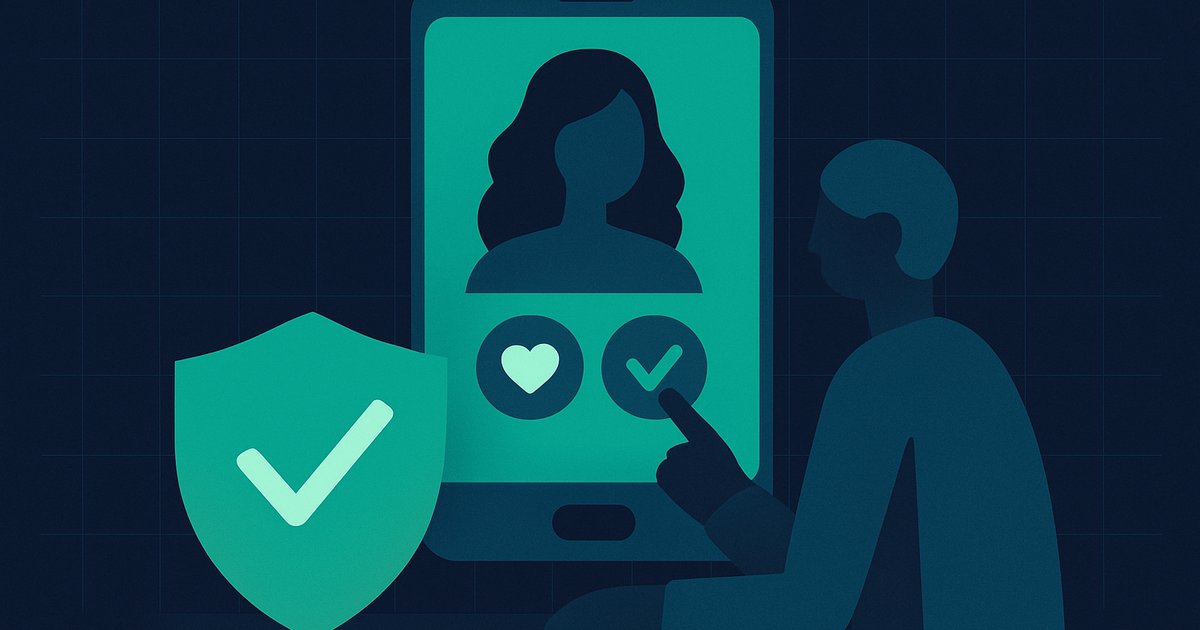
You've matched with someone on Bumble who seems almost too good to be true. Great photos, interesting bio, and they're saying all the right things. But that nagging feeling won't go away: Is this person actually real?
You're right to trust your instincts. While Bumble has built-in safety features to protect users, fake profiles and catfishing attempts still slip through the cracks. The good news? There are clear signs you can look for and practical steps you can take to verify someone's identity before you invest time—or worse, meet in person.
In this guide, we'll walk you through everything you need to know about spotting fake Bumble profiles, understanding verification badges, and protecting yourself from common dating app scams.
Understanding Bumble's Verification System
Before diving into detective work, it's important to understand Bumble's built-in verification tools.
What the Blue Checkmark Means
Bumble's photo verification feature is your first line of defense. When you see a blue checkmark badge on someone's profile, it means they've completed Bumble's verification process. According to Bumble's own safety guidelines, their technology and support team review profile photos to confirm they match the person in real-time verification selfies.
Here's what verification tells you:
- The photos match a real person who took verification selfies
- The account owner has access to the profile at the time of verification
- Basic identity confirmation has been established
What Verification Doesn't Guarantee
Important caveat: A verification badge confirms the photos belong to the same person, but it doesn't guarantee:
- Their intentions are genuine
- All information in their bio is accurate
- They're not using the platform for scams
- They're emotionally available or serious about dating
Think of verification as a good starting point, not a complete background check.
Red Flags: Common Signs of a Fake Bumble Profile
Based on user experiences and Bumble's safety recommendations, here are the warning signs that should make you pause:
1. Photos That Look Too Professional
While there's nothing wrong with good photos, be cautious if:
- Every single photo looks like it came from a professional modeling shoot
- The lighting, angles, and quality seem inconsistent with typical smartphone photos
- Images appear heavily filtered or edited across the board
- There are only one or two photos (real people usually share multiple casual shots)
Pro tip: Do a reverse image search on Google. Right-click on a saved photo and select "Search image with Google" to see if it appears elsewhere online.
2. Vague or Generic Profile Information
Fake profiles often lack specific details because scammers create multiple accounts. Watch for:
- Extremely short bios with no personality
- Generic statements like "I love to travel and have fun"
- No mention of specific hobbies, interests, or local references
- Missing or incomplete profile fields (job, education, location details)
3. Immediate Movement Off-Platform
According to Bumble's safety guidelines, one of the most common catfishing tactics is quickly trying to move conversations away from the app. Be suspicious if someone:
- Immediately asks for your phone number, WhatsApp, or personal email
- Claims their Bumble notifications don't work
- Wants to switch to a different platform within the first few messages
- Insists on communicating only through a specific app
Legitimate matches are usually happy to chat on Bumble for a while before exchanging contact information.
4. Suspicious Messaging Patterns
The conversation itself can reveal a lot:
- Response timing: Messages that come at odd hours or seem automated
- Copy-paste vibes: Responses that feel generic and could apply to anyone
- Avoiding video calls: Consistent excuses for why they can't video chat
- Deflecting personal questions: Vague answers when you ask specifics about their life
5. Too Fast, Too Intense
Bumble warns that catfishers often create fake personas with specific intentions. Common manipulative tactics include:
- Love bombing (intense affection and compliments immediately)
- Creating a sense of urgency or crisis
- Sharing dramatic personal stories designed to elicit sympathy
- Moving the relationship forward at an uncomfortable pace
6. Financial Red Flags
This is the biggest, brightest red flag of all. A real romantic interest will NEVER:
- Ask for money, no matter how compelling the story
- Request gift cards or cryptocurrency
- Ask for your banking information
- Request you receive and forward packages
- Seek help with "investment opportunities"
If money comes up in any context, you're dealing with a scammer. Full stop.
How to Verify a Bumble Profile: Step-by-Step
Now let's get practical. Here's your action plan for vetting a potential match:
Step 1: Check for the Verification Badge
First things first—look for that blue checkmark. If it's not there, you can:
- Ask politely if they'd be willing to verify their profile
- Explain that you prefer matching with verified users for safety
- See how they respond to the request
A genuine person will usually understand. Defensiveness or refusal is a red flag.
Step 2: Review Their Entire Profile Carefully
Take time to examine:
- Photo consistency (same person in all photos? Similar time periods?)
- Background details in photos (do they match the claimed location?)
- Bio completeness and authenticity
- Prompts and answers (do they sound like a real person wrote them?)
Step 3: Reverse Image Search
This simple technique can be incredibly revealing:
- Screenshot or save their profile photos
- Go to Google Images (images.google.com)
- Click the camera icon to search by image
- Upload the photo
If the images appear on modeling websites, stock photo sites, or belong to someone else's social media, you've found a fake profile.
Step 4: Engage in Specific Conversation
Ask questions that require specific, personal answers:
- "What's your favorite spot in [their listed city]?"
- "What got you into [their listed profession/hobby]?"
- "What's the story behind [something in their photos]?"
Real people can elaborate naturally. Scammers struggle with specific details.
Step 5: Request a Real-Time Photo or Video Call
After some initial conversation, it's completely reasonable to ask for:
- A quick video chat before meeting in person
- A real-time selfie (you can both do it to make it less awkward)
- A photo doing something specific (holding up a certain number of fingers, in a particular location)
Frame it positively: "I'd love to see your smile in real-time before we meet!" Legitimate matches typically agree without issue.
Step 6: Trust Your Gut
Your intuition is powerful. If something feels off, even if you can't pinpoint exactly what, that's information. Don't dismiss that feeling in favor of hope or loneliness.
Common Bumble Scams to Watch Out For
Understanding common scam patterns helps you recognize them faster:
The "Stranded Traveler"
They're supposedly traveling for work or visiting family when a crisis happens—lost wallet, medical emergency, stuck in another country. They need money wired urgently.
Reality: Complete fabrication designed to exploit your sympathy.
The "Investment Opportunity"
After building rapport, they introduce you to cryptocurrency, forex trading, or other investment schemes, often involving specific platforms or apps.
Reality: Either they're directing you to a scam platform where you'll lose money, or they're receiving referral bonuses.
The "Package Forwarding" Request
They ask you to receive packages at your address and forward them elsewhere, claiming it's for work or because they're traveling.
Reality: You could be unknowingly participating in money laundering, fraud, or receiving stolen goods.
The "Gradual Build"
More sophisticated scammers invest weeks or even months building a relationship before introducing any request for money or assistance.
Reality: The longer timeline doesn't make it legitimate. The end goal is the same.
The "Adult Content Extortion"
After moving to another platform, they request intimate photos or engage in video calls of a sexual nature, then threaten to share the content unless you pay.
Reality: Classic sextortion. Never share intimate content with someone you haven't met and verified in person.
What to Do If You Suspect a Fake Profile
If your investigation reveals red flags, here's how to proceed:
1. Stop Communicating Immediately
Don't confront them, explain your reasoning, or try to "catch them." Simply stop responding. You don't owe a fake profile an explanation.
2. Don't Share Any Additional Information
Review what you've already shared and:
- Don't provide any new personal details
- Don't click any links they've sent
- Don't download any apps they've recommended
3. Report the Profile to Bumble
Bumble's safety features include reporting mechanisms:
- Go to their profile
- Tap the three dots or menu icon
- Select "Report"
- Choose the appropriate reason (fake profile, scam, etc.)
Your report helps protect other users from the same scammer.
4. Block the User
After reporting, block them to prevent further contact.
5. Document Everything
If you've been scammed financially:
- Save all messages and screenshots
- Document any financial transactions
- Report to local law enforcement
- Report to the FBI's Internet Crime Complaint Center (IC3.gov)
- Contact your bank or credit card company immediately
Best Practices for Safe Bumble Dating
Prevention is your best protection. Follow these guidelines:
Before You Match
- Enable Bumble's privacy features
- Use only verified photos of yourself (leading by example)
- Don't include identifying information in your bio (workplace details, home location)
During Early Conversations
- Keep conversations on Bumble until you're comfortable
- Google their name and phone number when they share it
- Video chat before meeting in person
- Trust develops over time, not instantly
When Planning to Meet
- Always meet in public places for first dates
- Tell a friend where you're going and when to expect you back
- Arrange your own transportation
- Keep the first meeting brief (coffee, not a weekend trip)
- Stay sober enough to maintain good judgment
Ongoing Vigilance
- Continue paying attention to consistency in their stories
- Notice if behavior changes after you meet (love bombing, pushing for commitment)
- Remember that real relationships develop at a natural pace
The Bottom Line
Learning how to check if a Bumble profile is real is an essential skill for modern dating. While it might feel cynical to approach matches with skepticism, healthy caution is simply smart self-protection.
The vast majority of Bumble users are genuine people looking for real connections. But scammers and catfishers do exist, and they're becoming increasingly sophisticated. By understanding verification badges, recognizing red flags, and taking practical verification steps, you can confidently navigate the platform while protecting yourself.
Remember: A real match who's genuinely interested in you will be patient with reasonable safety precautions. Anyone who pressures you, rushes the process, or makes you feel guilty for being cautious is showing you exactly who they are—believe them.
Trust your instincts, verify what you can, and don't let the existence of fake profiles prevent you from finding authentic connections. With the right approach, you can enjoy online dating while keeping yourself safe.
Stay smart, stay safe, and happy swiping!
Have you encountered a suspicious profile on Bumble? Share your experience in the comments to help others stay safe.
Skip the manual digging. Proofile compiles a full public-data dossier on anyone in minutes: social profiles, photos, work history, and red flags. Run a free search on Proofile and see what's out there before you meet.
Don't just read about it, do it.
Proofile builds a full public-data dossier on anyone in minutes: social profiles, photos, work history, and red flags. They are never notified.
Run a free search →