How to Avoid Getting Scammed on Dating Apps
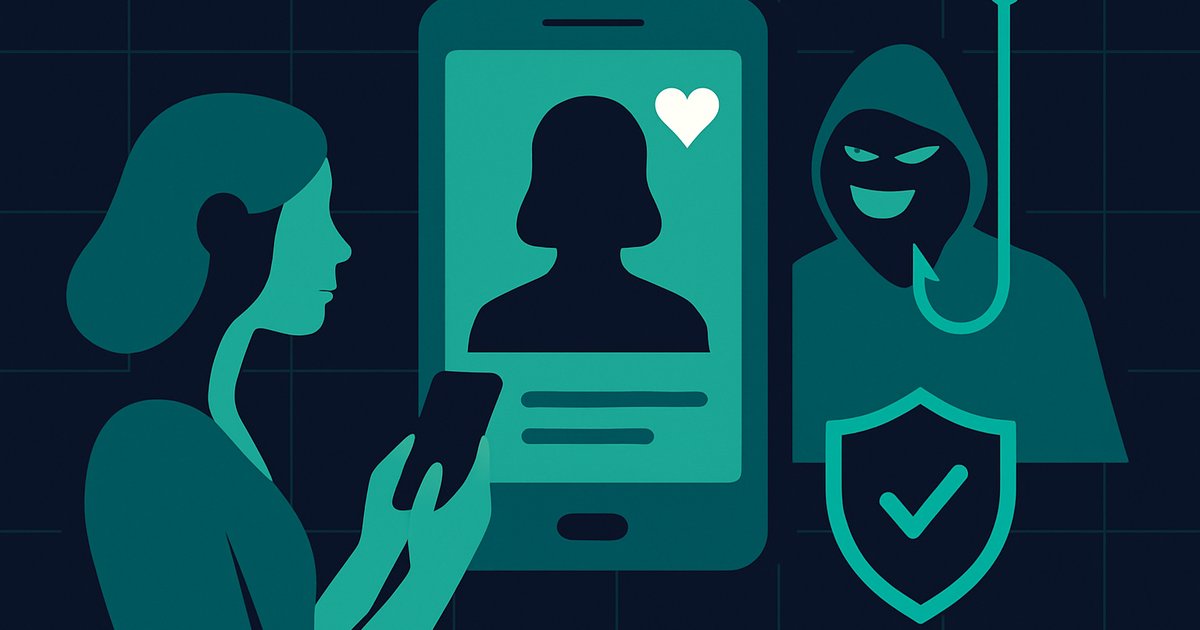
Finding love online has become the norm, but unfortunately, so have dating app scams. As dating platforms continue to evolve, scammers are becoming increasingly sophisticated in their tactics. Whether you're new to online dating or a seasoned swiper, knowing how to protect yourself is essential.
The Modern Dating Scam Landscape
Dating app scams have evolved far beyond the obvious fake [profile](https://proofile.ai/blog/how-to-check-if-a-tinder-profile-is-fake-7-fast-tests)s of years past. Today's scammers use advanced techniques including AI-generated photos, carefully crafted personas, and psychological manipulation to exploit people looking for genuine connections.
The emotional and financial toll of these scams can be devastating. Victims often lose not just money, but their trust in online relationships altogether. The good news? Most scams follow predictable patterns once you know what to look for.
Common Dating App Scams in 2026
The Romance Scam
This classic con has stood the test of time. Scammers create fake profiles, build emotional connections over weeks or months, then manufacture emergencies requiring financial help. They might claim a sick relative, lost wallet, or travel emergency that prevents them from meeting in person.
The Investment Scam
A newer variant involves scammers who pose as successful investors or entrepreneurs. After establishing trust, they'll introduce you to "exclusive" investment opportunities, cryptocurrency platforms, or trading schemes. These platforms are often completely fake or controlled by the scammer.
The Verification Scam
Scammers claim they need you to verify your identity through a specific website or app before meeting. These fake verification sites are designed to steal your personal information, credit card details, or sign you up for expensive subscriptions.
The Relocation Scam
The scammer claims to be relocating to your area soon or currently working abroad. They build a relationship remotely, then request money for travel expenses, visa fees, or shipping costs to finally meet you in person—except they never show up.
The Blackmail Scam
After moving conversations to private messaging apps, scammers engage in intimate conversations or convince victims to share compromising photos. They then threaten to share these with friends and family unless payment is made.
Warning Phrases That Should Raise Red Flags
Scammers often use similar language patterns. Be cautious if your match uses these common phrases:
- "I don't use this app much, let's move to [other platform]"
- "You can trust me" (especially when said very early)
- "I have a business opportunity I want to share with you"
- "My phone is broken, can you send me a gift card so I can buy a new one?"
- "The dating app requires verification through this link"
- "I love you" (within days or weeks of matching)
- "I'm currently overseas for work/military service/family emergency"
- "I need help with an emergency, but I'll pay you back"
- "Let me teach you about cryptocurrency/trading"
- "Can you receive a package/money transfer for me?"
Money Request Patterns to Watch For
Scammers rarely ask for large sums immediately. Instead, they use gradual escalation:
The Test Request: They start with a small amount—perhaps for food delivery or a phone card—to see if you'll send money at all.
The Emotional Appeal: They frame requests around emotional situations: sick children, medical bills, or helping elderly parents.
The Opportunity Frame: Rather than asking for help, they present it as doing you a favor by letting you in on an investment or business deal.
The Urgency Tactic: Time pressure is crucial to their strategy. There's always a deadline, emergency, or limited-time opportunity.
The Reversal: Sometimes they'll send you money first (often from stolen accounts), then ask you to send it elsewhere or purchase gift cards—making you an unwitting accomplice in money laundering.
Your Dating App Scam Prevention Checklist
Before Matching
- ✓ Use reputable dating apps with verification features
- ✓ Enable all available privacy settings
- ✓ Never link financial apps or share detailed personal information in your profile
During Conversations
- ✓ Reverse image search profile photos to check if they appear elsewhere online
- ✓ Be suspicious of profiles with very few photos or only professional-looking images
- ✓ Watch for grammar inconsistencies, especially if they claim to be a native English speaker
- ✓ Notice if they avoid video calls or always have excuses for why their camera doesn't work
- ✓ Keep conversations on the dating app rather than moving to external platforms immediately
- ✓ Ask specific questions about their life and note vague or contradictory answers
When Things Progress
- ✓ Never send money to someone you haven't met in person
- ✓ Don't share financial information, bank details, or your home address
- ✓ Refuse requests to receive or transfer money on someone else's behalf
- ✓ Be wary of anyone who cancels in-person meetings repeatedly
- ✓ Don't click links sent in messages—they may contain malware or lead to phishing sites
- ✓ Trust your instincts if something feels off
Red Flag Situations
- ✓ They profess strong feelings very quickly
- ✓ Their story seems too perfect or too tragic
- ✓ They claim to be wealthy but need your financial help
- ✓ They work in vague international business or are stationed overseas
- ✓ They pressure you to make quick decisions about money or personal information
What to Do If You Suspect a Scam
Stop Communication Immediately: Once you identify scam behavior, cease all contact. Don't try to "catch" them or get your money back yourself.
Don't Send Money: If you haven't sent money yet, don't start. If you have, stop sending more—their promises to pay you back are lies.
Report on the Platform: Use the dating app's reporting features. This helps protect other users and may get the scammer's profile removed.
Document Everything: Take screenshots of profiles, conversations, and any transactions before the scammer deletes their account.
Report to Authorities: File a report with your local law enforcement and the FBI's Internet Crime Complaint Center. While recovery is unlikely, reports help track patterns and potentially prevent future scams.
Protect Your Accounts: If you shared any personal information, change your passwords and monitor your financial accounts for suspicious activity.
Contact Your Bank: If you sent money, immediately contact your bank or payment service. While they may not be able to reverse the transaction, they can watch for additional fraudulent activity.
Recovery and Moving Forward
If you've fallen victim to a dating scam, know that you're not alone and it's not your fault. Scammers are skilled manipulators who exploit our natural desire for connection.
Consider speaking with a counselor if you're experiencing emotional distress. The betrayal of trust in these scams can be psychologically damaging.
Don't let one bad experience ruin your perception of online dating. Millions of people successfully find genuine relationships through dating apps every year. Armed with awareness and healthy skepticism, you can protect yourself while remaining open to real connections.
The Bottom Line
The key to avoiding dating app scams comes down to three principles:
-
Take it slow: Genuine relationships develop over time. Scammers rush because they're working multiple victims simultaneously.
-
Never mix money and early-stage online romance: No legitimate romantic interest will ask for financial help before meeting you in person.
-
Verify before you trust: It's not cynical to verify someone's identity—it's smart. Real people will understand your caution.
Dating apps can be a wonderful way to meet people, but approaching them with awareness and healthy boundaries is essential. By recognizing the warning signs, trusting your instincts, and following basic safety practices, you can navigate the online dating world with confidence and protect yourself from those who would take advantage of your openness to love.
Remember: if something feels wrong, it probably is. Your safety—both emotional and financial—should always be your top priority.
Skip the manual digging. Proofile compiles a full public-data dossier on anyone in minutes: social profiles, photos, work history, and red flags. Run a free search on Proofile and see what's out there before you meet.
Don't just read about it, do it.
Proofile builds a full public-data dossier on anyone in minutes: social profiles, photos, work history, and red flags. They are never notified.
Run a free search →