11 Signs Someone Is Lying on Their Dating Profile
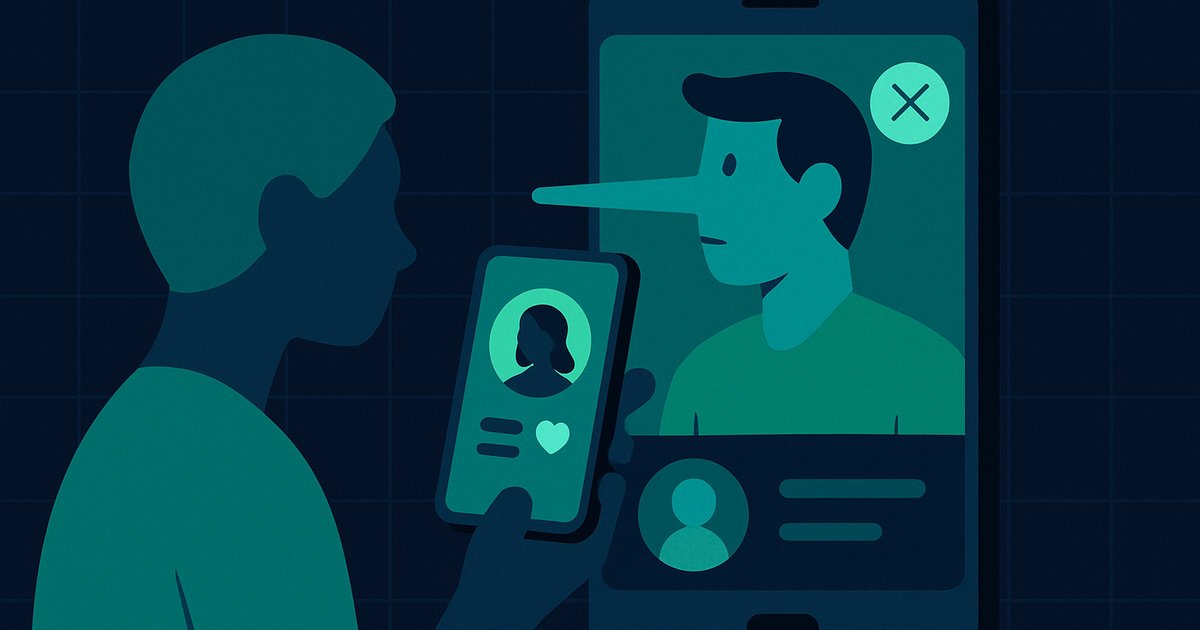
We've all been there—excited about a promising match, only to meet someone who looks nothing like their photos or whose "successful business owner" status turns out to be a weekend side hustle. With nearly half of dating app users admitting to some form of deception on their profiles, knowing how to spot the red flags can save you time, disappointment, and potentially worse.
The truth is, people lie on dating apps. A lot. Studies show men are more likely to inflate their height and exaggerate their careers, while women tend to use outdated or heavily edited photos. But whether you're dealing with harmless vanity or more concerning deception, these 11 signs will help you spot when someone isn't being entirely truthful.
1. Their Height Changes Between Photos
One of the most common lies on dating profiles involves height. If someone claims to be 6'2" but appears notably shorter than other people in group photos, your suspicions are probably warranted. Research indicates that exaggerating height is believed to be one of the most common untruths on dating apps, with 12% of men admitting they've lied about it.
Quick verification tip: Look at photos where they're standing next to objects of known height (door frames are typically 6'8") or compare their height relative to friends across multiple photos.
2. All Their Photos Are Professional or Heavily Filtered
While one or two quality photos are normal, a profile consisting entirely of professional headshots, heavily filtered images, or photos with perfect lighting from the same angle should raise questions. This pattern often indicates someone is carefully curating their appearance to hide what they actually look like in everyday situations.
3. No Recent Photos (Or All Photos Look Dated)
Check the background details. Are they wearing styles from several years ago? Do the photo quality and resolution look dated? Outdated photos rank among the most common deceptions on dating platforms. If someone's "current" photos all feature flip phones or fashion from a different era, they may not represent what the person looks like now.
Red flag: When asked for a recent photo or video chat, they make excuses or deflect.
4. Vague or Overly Impressive Job Titles
"Entrepreneur," "CEO," "consultant," or "in finance" without further specifics often mask unemployment or less impressive positions. While some people legitimately have these titles, liars tend to use vague, impressive-sounding language without providing verifiable details.
Studies have found that men are more likely to lie about what they do for a living, inflating job titles or importance to appear more successful.
5. Their Stories Don't Add Up
Pay attention to inconsistencies across conversations. Do they say they're 28 on their profile but mention graduating college 15 years ago? Do they claim to live in your city but somehow never know any local landmarks? These math errors and geographical inconsistencies often reveal age inflation or location lies.
6. They're Suspiciously Perfect
If someone checks every single box on your wish list with no apparent flaws, proceed with caution. Real people have imperfections, contradictions, and quirks. A profile that reads like a manufactured ideal—loves hiking, reading, fine dining, staying in, going out, and has no baggage whatsoever—might be too good to be true.
7. The "Serious Relationship" Contradiction
As dating experts have noted, some people claim they're "looking for a serious relationship" as a strategy to get more matches, when they're actually only interested in casual encounters. Watch for contradictions between what someone says they want and how they behave—pushing for quick meetups, avoiding deeper conversations, or showing little interest in your actual life.
8. Their Photos Never Include Other People
While not everyone loves group photos, a complete absence of pictures with friends or family can be a warning sign. It might indicate they're using stock photos, pictures stolen from someone else, or that they're hiding something (like a relationship status).
9. Reverse Image Search Reveals Something Different
The fastest verification method available: save their photos and run them through Google's reverse image search. If their pictures appear elsewhere online under a different name, on modeling websites, or are clearly stock photos, you've caught a catfish.
How to do it: Right-click on their photo (or long-press on mobile), select "Search Image with Google," and see what comes up.
10. They Refuse to Video Chat Before Meeting
In today's world, requesting a quick video call before meeting in person is perfectly reasonable. Someone who consistently makes excuses about why they can't video chat—broken camera, bad lighting, they're "not comfortable" with technology—may be hiding their true appearance or identity.
11. Their Writing Style Dramatically Changes
Research shows that the language people use in their profiles can reveal deception. If someone's polished, articulate profile doesn't match their texting style at all, they may have had someone else write it. Similarly, if their messages contain vastly different vocabulary, grammar, or even knowledge levels than their profile suggests, something's off.
The Psychology Behind Profile Lies
Why do so many people lie on dating apps? The reasons range from insecurity to strategic advantage. When the only information available is what someone chooses to present, it becomes easy to blur the lines between truth and fantasy. As communication experts note, people already struggle to detect lies face-to-face—when limited to written profiles, the challenge becomes even greater.
Most profile lies fall into the "white lie" category: small exaggerations intended to get a foot in the door. Someone might add two inches to their height or subtract five pounds from their weight, hoping their personality will compensate once they meet in person. However, these "harmless" deceptions can quickly erode trust and doom a potential relationship before it starts.
How to Protect Yourself
Beyond spotting the signs, here are practical steps to verify someone's claims:
Before you meet:
- Request a video call
- Check their social media presence (real people have digital footprints)
- Use reverse image search on their photos
- Ask specific questions about their job, neighborhood, or interests that require detailed knowledge
- Notice if they answer your questions directly or deflect
When you meet:
- Choose a public location
- Tell a friend where you'll be
- Trust your instincts—if something feels off, it probably is
- Don't feel obligated to continue a date with someone who clearly misrepresented themselves
The Bottom Line
While not every discrepancy means someone is intentionally deceiving you—people do choose their most flattering photos, after all—multiple red flags warrant caution. The dating world requires a balance between optimism and skepticism.
Remember: someone who truly wants to build a genuine connection won't start it with lies. If you discover someone has been dishonest about basic facts, consider whether that's the foundation you want for a relationship. Your time is valuable, and you deserve someone who presents their authentic self from the start.
The good news? By knowing what to look for, you can navigate dating apps more confidently and increase your chances of finding someone who's as real as you are.
Have you spotted lies on dating profiles? The key is staying observant without becoming cynical. Use these signs as guidelines, verify when possible, and don't ignore those gut feelings that tell you something isn't quite right.
Skip the manual digging. Proofile compiles a full public-data dossier on anyone in minutes: social profiles, photos, work history, and red flags. Run a free search on Proofile and see what's out there before you meet.
Don't just read about it, do it.
Proofile builds a full public-data dossier on anyone in minutes: social profiles, photos, work history, and red flags. They are never notified.
Run a free search →